
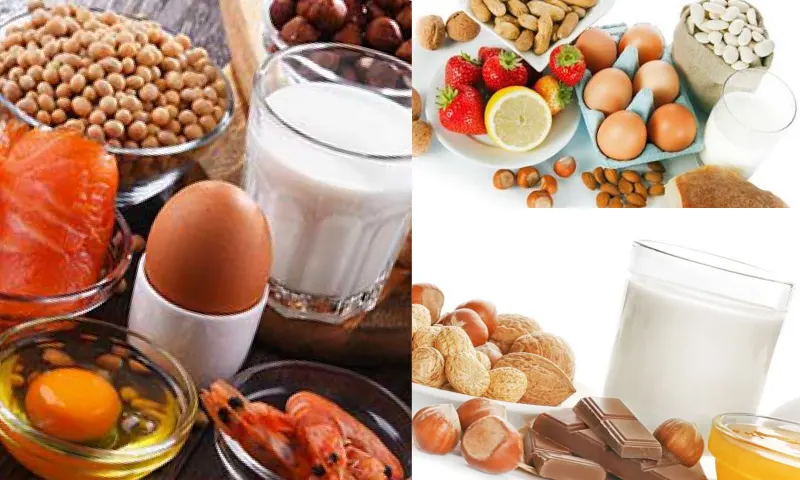
What are Allergic Foods?
Allergic foods are foods that cause the immune system to overreact to certain foods in some people. Food allergy occurs as a result of the body perceiving a normally harmless food protein as a threat. This condition can manifest in various ways, from mild skin symptoms to severe and life-threatening reactions. Although food allergies can occur at any age, they are among the health problems encountered more frequently, especially in childhood. Identifying foods that cause allergic reactions and avoiding these foods is of great importance for maintaining health. Therefore, it is necessary to recognize the symptoms of food allergy and manage them correctly. In order to get information on this subject and ask your questions, you can look at the relevant online firms on internet pages and examine them in detail from here.
Most Common Allergic Foods
Among allergic foods, milk, eggs, peanuts, tree nuts, fish, shellfish, wheat, and soy stand out. These foods can cause the immune system to react, especially in individuals with sensitivity. Food allergy symptoms can vary from person to person. Redness of the skin, itching, hives, swelling of the lips or face, nausea, vomiting, and abdominal pain are among the common symptoms. In some cases, serious reactions such as shortness of breath, throat constriction, and low blood pressure can develop. Rapid medical intervention may be required when these symptoms appear. Since not all food allergies follow the same course, it is important to determine which foods individuals are sensitive to with expert evaluation.
Ways to Protect from Allergic Foods
Acting consciously about allergic foods is a fundamental step in preventing allergic reactions. Individuals diagnosed with food allergy must avoid foods that cause allergies and carefully examine the content labels of products to be consumed. Checking allergen warnings on packaged foods can reduce the risk of accidental consumption. It is also important to get information about the ingredients and preparation conditions of food when eating out. Especially, using the same kitchen equipment for different foods can increase the risk of cross-contamination. It is recommended that people with food allergies develop an emergency plan with their doctors and carry prescribed emergency medications with them when deemed necessary. In case of severe symptoms such as difficulty breathing or swelling of the throat, emergency services should be called without delay.