
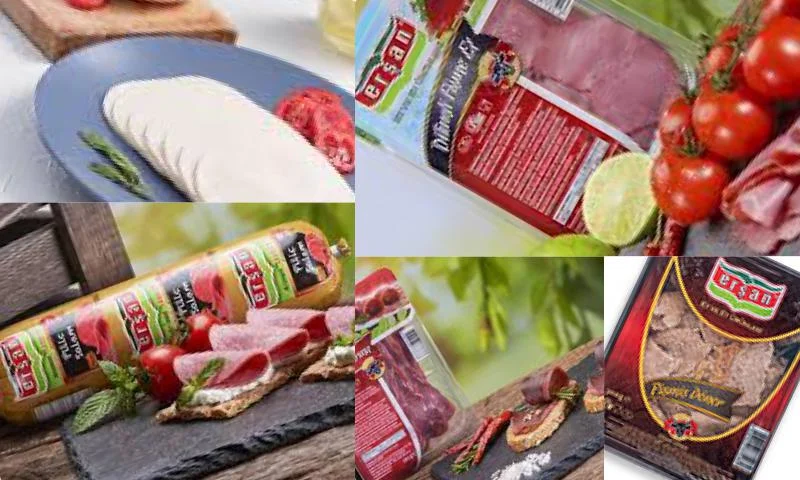
How to Make Salami
Salami Production
Salami is one of the indispensable items on the breakfast table. Salami is a type of food obtained by filling the intestines of beef, cattle, sheep, or chicken meat with various spices and undergoing various processes. Salami has varieties that appeal to different tastes. You can visit the page to get information about the types of salami used for breakfast, making sandwiches, and as a snack, and to place an online order.
How Should Salami Be Stored?
Salami has varieties such as pistachio, Hungarian, chicken, and turkey. Meat is used accordingly in the production of these types. In the production phase, meat from animals cut under the control of a veterinarian is used. This meat is obtained within the framework of the rules specified by TSE and used in production in accordance with hygiene rules. Depending on the type of salami, meat obtained from the most delicious part of the animal is used, thus enhancing the flavor. The salami meat is blended with a special spice mixture prepared by food engineers in machines called dryers until a homogeneous mixture is obtained. The meat, which is kept in special cold storage rooms overnight in this way, acquires all the aroma of the spice. Thus, delicious salamis are produced. The spiced meat kept in the refrigerator is passed through a mixer and filled into suitable casings in a filling machine and cooked. Special ovens are used for cooking salamis. Salamis, cooked in Rond-air ovens until the core temperature reaches 72-75 degrees, are cooled by showering. After all these processes, the salamis, which are ready for consumption, are packaged without human contact using technological packaging machines and introduced into the consumption chain. Salamis produced meticulously should be stored in the refrigerator. The expiration date on the salami packages should be considered, and salamis with opened packaging should be consumed within two days. Salamis stored and kept in accordance with cold chain rules from production to consumption must have ISO certificates and be certified by the Ministry of Agriculture and Forestry. To have Erşan salamis, which have all these documents and certificates, and are produced and distributed in accordance with cold chain rules from production to consumption, you can visit the ersanet.com.tr page and place an order.