What are the conveniences provided by consecutive interpretation?
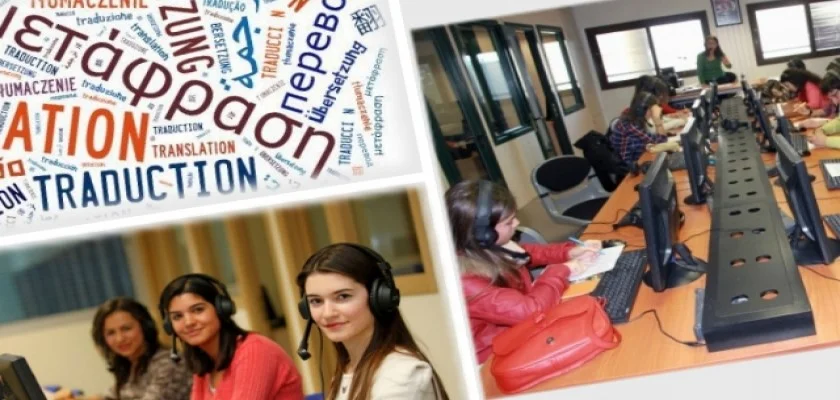
It is very important that interpreters in meetings with many participants are experts and well-equipped in their field, transferring the speaker's words to listeners in multiple languages simultaneously. A sworn translation office provides you with the best interpreters in this regard. Simultaneous interpretation is more difficult than consecutive interpretation. The interpreter, sitting in a special booth, listens to the speaker and translates at the same time, conveying the words to the listeners with the help of a microphone. These interpreters, who particularly work in conferences, seminars, panels, or meetings attended by multiple nations, must have sufficient command of the source and target languages, as well as the ability to understand and convey quickly. The company not only provides interpreters but also technical equipment such as soundproof booths, headphones, and microphones to prevent the interpreter from being affected by external noises and to allow them to work comfortably. Consecutive interpretation, which is especially needed in one-on-one meetings and meetings with fewer participants, provides translation into only one language, unlike simultaneous interpretation. Thanks to the sworn translation office, which provides you with experienced interpreters for consecutive interpretation, you can communicate more easily with foreigners in the meetings you attend.How can I benefit from consecutive interpretation services?
Thanks to the sworn translation office, which provides the service of accurately conveying the speech made in all local and international meetings to the listener in a short time, you can benefit from verbal translation services in the language you want. Verbal translation, which varies according to the number of participants and the number of languages to be translated, consists of two types: consecutive and simultaneous. While simultaneous interpretation is preferred in international meetings with a large number of participants, consecutive interpretation is needed in one-on-one meetings. Interpreters who perform consecutive interpretation, which is needed when conducting business meetings, teleconferences, or interviews, do not need any equipment such as a sound booth, headphones, or microphone. In the past, in meetings, the speaker would first complete their speech or give a 30-minute speech, and then the interpreter would convey these words to the other party. Since this type of work distracts the listener's attention, the translation time is kept much shorter today.www.lingustercume.com