
What is Cholesterol and Why is it Important?
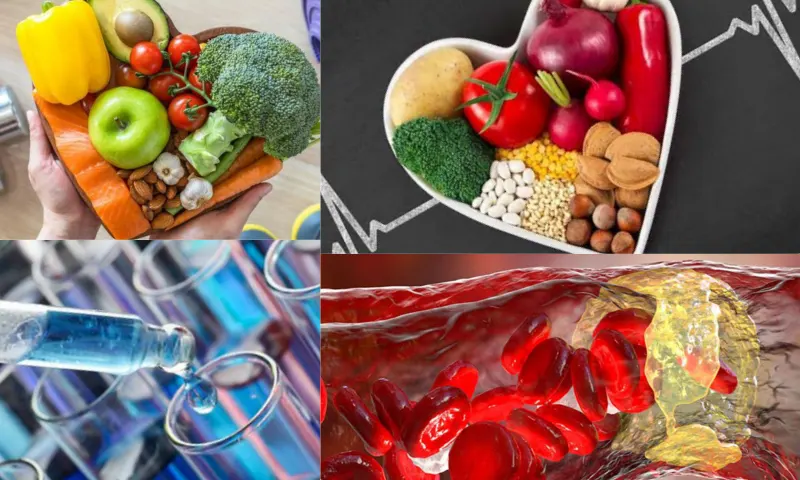
Cholesterol is essential for the body's normal functions, but high levels can be dangerous. Cholesterol plays a role in the synthesis of important components such as cell membranes, hormones, and bile acids during digestion. Cholesterol exists in two types: LDL (low-density lipoprotein) and HDL (high-density lipoprotein). LDL is known as "bad" cholesterol because it can contribute to plaque buildup in artery walls, increasing the risk of heart disease. HDL, on the other hand, is known as "good" cholesterol because it removes LDL from the arteries and can reduce the risk of heart disease. For information on this topic and to ask your questions, you can check relevant online companies on web pages and examine them in detail from there.
Effects of Cholesterol on Health
High cholesterol levels can increase the risk of heart disease, stroke, and other serious health problems. Atherosclerosis, a condition characterized by plaque buildup in artery walls, is associated with high cholesterol levels. Plaque buildup can narrow or block arteries, which can impede blood flow and increase the risk of heart attack or stroke. Therefore, it is important to keep cholesterol levels under control.
Ways to Control Cholesterol Levels
You can keep your cholesterol levels under control by adopting a healthy lifestyle and making changes to your diet. Eating low-fat and cholesterol-free foods, limiting intake of saturated and trans fats, preferring fiber-rich foods, exercising regularly, and not smoking can help lower cholesterol levels. In some cases, doctors may also prescribe medications. Although cholesterol is an important component for the body, high levels can lead to serious health problems. Therefore, it is important to adopt a healthy lifestyle to keep your cholesterol levels under control. Exercising regularly, eating healthily, and following your doctor's recommendations can help you keep your cholesterol levels under control.