
What Are the Symptoms of Diabetes?
Diabetes, one of the most common diseases in the world, significantly reduces a person's quality of life and can lead to life-threatening complications if not controlled. While contracting this disease may seem easy, preventing it is actually quite simple. Diabetes is divided into two types: type 1 diabetes and type 2 diabetes. Type 1 diabetes is a lifelong condition that usually begins at a very young age. This disease generally occurs due to the pancreas not working, being impaired, and not functioning properly. Type 1 diabetes primarily affects young people and children under the age of 15. Type 2 diabetes is generally seen in individuals over 40 years of age, and if not managed as age progresses, it can even lead to organ loss. Type 2 diabetes is primarily caused by eating and drinking disorders, intense stress, and obesity. Preventing the disease is actually easier than contracting it. Staying away from stress, controlling weight effectively, and losing excess weight are measures to prevent type 2 diabetes.

What Are the Symptoms of Diabetes?
- Frequent urination
- Dry mouth
- Numbness and tingling in hands and feet
- Vision problems, blurred vision
- Slow healing of skin sores
- Dry skin
- Constant feeling of hunger, unable to feel full despite eating a lot
- Nerve disorders, depression
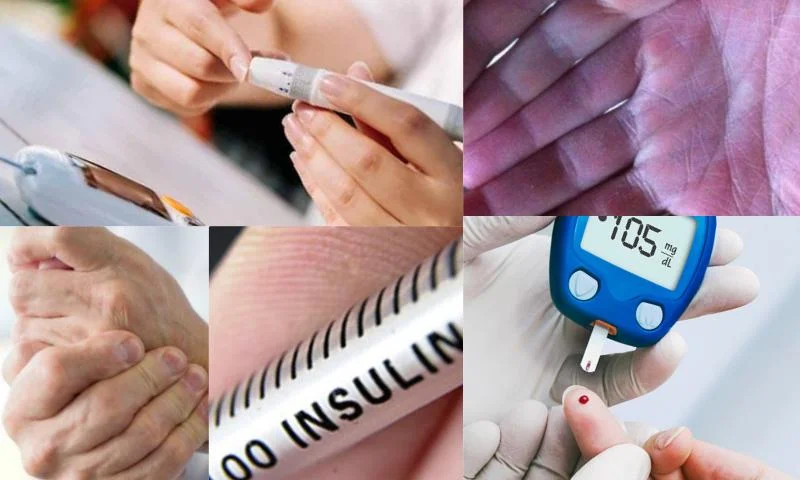
Immediately after experiencing the diabetes symptoms listed above, individuals should consult an internal medicine specialist and undergo all necessary diabetes tests. These tests are divided into two types: postprandial (after eating) blood sugar test and fasting blood sugar test. The postprandial blood sugar level should be below 140 mg/dL. The fasting blood sugar level should be below 90 mg/dL. These values are considered normal for fasting and postprandial blood sugar levels. Since individuals with a family history of diabetes are at a higher risk of developing the disease, those over 40 years of age and with a family history of diabetes should have these tests done once a year.