
Everything You Need to Know About Sickle Cell Disease
Sickle cell disease can lead to many complications such as stroke, acute chest syndrome, pulmonary hypertension, organ damage, blindness, and leg problems. Here's what you need to know about sickle cell disorder, which is essentially a blood disease.
What Exactly Is Sickle Cell Disease?
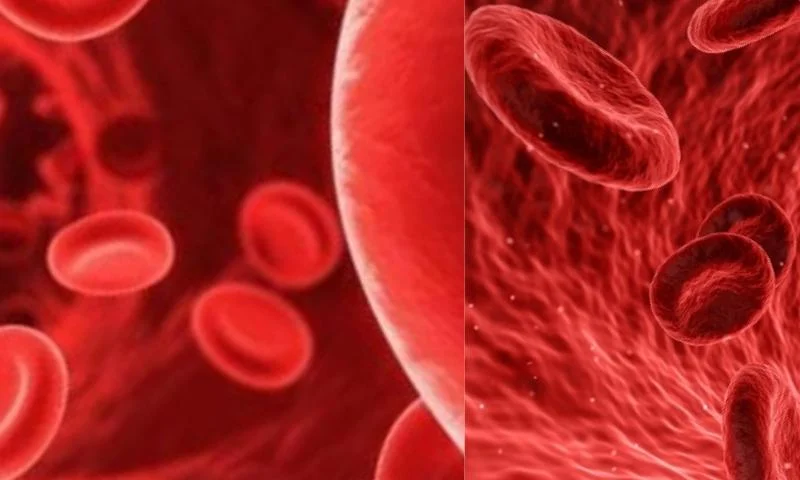
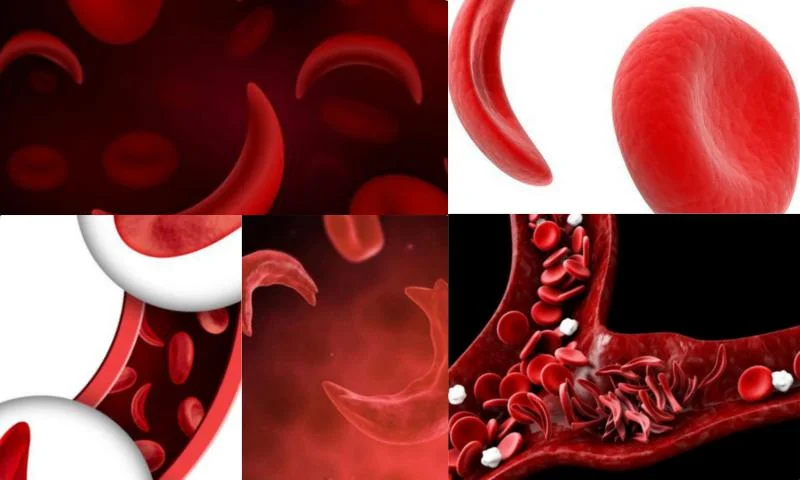
Sickle cell disease is a hereditary blood disorder with genetic origins. It is usually transmitted from parents to child during pregnancy, meaning both parents can be carriers. Healthy blood cells have round shapes that pass through small blood vessels and carry oxygen to all parts of the body. In a person with sickle cell disease, the blood cell becomes sticky, hard, and begins to appear C-shaped like a sickle. Sickle cells cause a condition in the body that leads to low oxygen levels, causing a constant oxygen deficiency. Additionally, sickle cells stick to small blood vessels during flow, obstructing blood flow. This is a very serious problem that can cause limb loss, stroke, acute chest syndrome, and infections.
Symptoms of Sickle Cell Disease
- Fatigue: It can cause fatigue by leading to less oxygen supply to the body.
- Pain episodes: Periodic pain episodes are observed in sickle cell patients. Sickle-shaped blood cells can block blood flow in the small vessels of the abdomen, chest, and joints, causing pain.
- Iron deficiency: The condition, marked by low hemoglobin levels, is often triggered by iron deficiency.
- Swelling in hands and feet: Sickle-shaped blood cells can block blood flow, which can lead to swelling in the hands and feet.
- Frequent infections: Sickle cells can damage the spleen, making the person vulnerable to illnesses and infections. Vaccination is often done in childhood to ward off infections.
- Delayed growth or puberty: Blood cells are carriers of oxygen and other nutrients. In case of a low number of healthy blood cells, there isn't enough oxygen in the body to sustain growth in infants and children, leading to delayed puberty in children.
- Vision problems: When blood flow is affected, vision is also affected.
Complications, Diagnosis, and Treatment
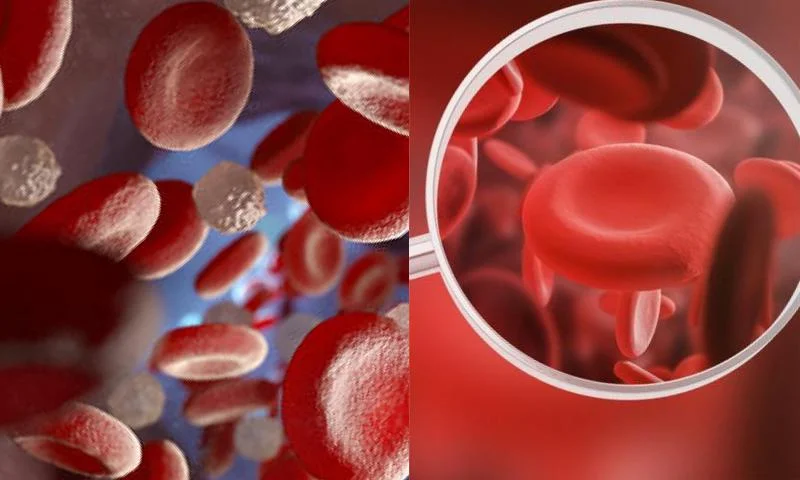
Sickle cell disorder can lead to many complications such as stroke, acute chest syndrome, pulmonary hypertension, organ damage, blindness, leg ulcers, and many more. This disease can be diagnosed with a simple blood test. It is recommended that screening be done before conception, as it is passed down from parents. In newborns, the test is performed as a routine screening in hospitals. The symptoms in sickle cell patients vary from patient to patient based on their symptoms. Before starting any medication, you should consult a hematologist specializing in blood diseases. The only treatment for this disease is to undergo a bone marrow transplant, which is a procedure to replace damaged or destroyed bone marrow with healthy bone marrow stem cells. Stem cells are easily obtained from a donor and transferred to the recipient. After the bone marrow transplant procedure, the patient can lead a healthy and normal life.