
How is Global Trade Shaped by Maritime Transport?
What are the Solutions to the Challenges Encountered During Maritime Transport?
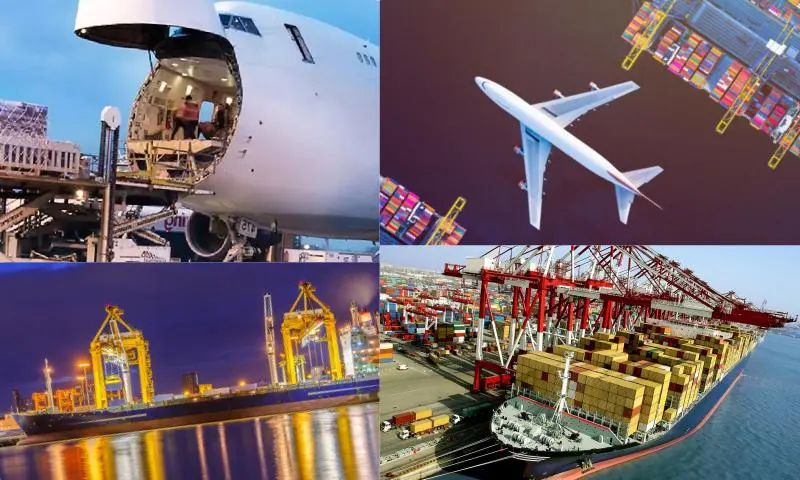
Maritime transport forms the backbone of global trade. More than 80% of the world's trade volume is carried by sea. Its ability to offer fast and cost-effective logistics solutions over long distances allows for the expansion of trade between countries. Maritime transport plays a key role in sustaining the commercial relations between major economies such as China, the USA, and the European Union. With the strengthening of inter-port connections, the establishment of logistics centers, and the diversification of routes, the scope of trade is also continuously expanding. This allows local producers to access global markets more easily. You can visit the web address for detailed information about maritime transport.
How is Maritime Transport Affected by Technological Developments?
Problems such as weather conditions, port congestion, customs procedures, and missing documents can sometimes cause disruptions in maritime transport. To overcome these challenges, digital tracking systems, routing software, and port automation are becoming increasingly widespread. At the same time, logistics companies determining alternative routes through pre-arranged agreements with different ports provide flexibility. The involvement of trained personnel and experienced teams contributes to the acceleration of loading and unloading processes. Risks can be minimized with insurance and safety measures in compliance with international standards. Maritime transport is directly affected by digitalization and automation technologies. Thanks to smart container systems, the temperature, location, and condition of cargo can be tracked in real-time. This provides a great advantage, especially in the transport of sensitive goods. With blockchain technology, documentation processes are conducted transparently and securely, preventing fraud. Autonomous ships and remote-controlled transport systems aim to reduce human error while also increasing operational efficiency. With artificial intelligence-supported forecasting systems, weather conditions, routes, and delivery times can be planned in advance.