
Chess Game Rules: Basic Rules and Piece Movements
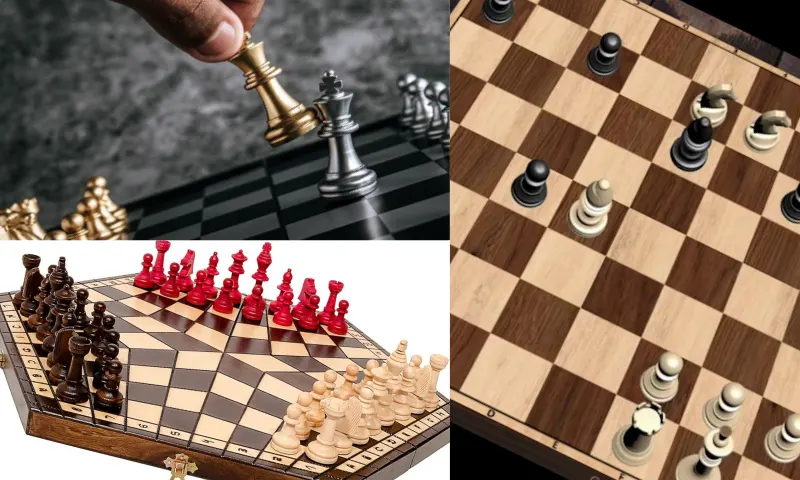
Chess game rules include the basic principles that ensure the game is played correctly and fairly. Chess is played on a board consisting of 8x8 squares, and each player has 16 pieces. The pieces are classified as pawn, rook, knight, bishop, queen, and king, and each piece has a different movement capability. For example, pawns move forward but can capture diagonally; rooks can move forward in straight lines indefinitely; and knights move in an "L" shape. Chess game rules explain how the pieces move and under which circumstances an opponent's piece can be captured. This basic information is essential for understanding the strategic and logical aspects of the game. You can refer to related online companies on web pages to get information on this topic and ask your questions, and you can review it in detail from there.
Chess Game Rules: Special Moves and Game Strategies
There are also some special moves within the chess game rules. Castling, pawn promotion, and en passant captures are applications that increase the strategic depth of the game. The castling move moves both the king and the rook simultaneously, moving the king to a safe position and bringing the rook into play. Pawn promotion allows a pawn to be exchanged for a more powerful piece such as a queen, rook, bishop, or knight when it reaches the opposite side. Chess game rules encourage players not only to move pieces but also to develop their game plan and strategies. Thanks to these rules, the game offers a fair and intellect-enhancing experience.
Chess Game Rules: Winning, Draw, and End of Game
Chess game rules also cover how the game is won and under which circumstances it can end in a draw. The objective of the game is to checkmate the opponent's king, meaning the king has no escape route. A stalemate occurs when neither player can make a move, or the king is not under threat, and the game ends in a draw. Additionally, the threefold repetition rule and the 50-move rule also determine the possibilities for a draw during the game. Chess game rules help players develop their strategic thinking and problem-solving skills while determining the winner fairly. These rules make chess both an entertaining and intellect-enhancing game.