
What is Turkish Halva?
Benefits of Turkish Halva
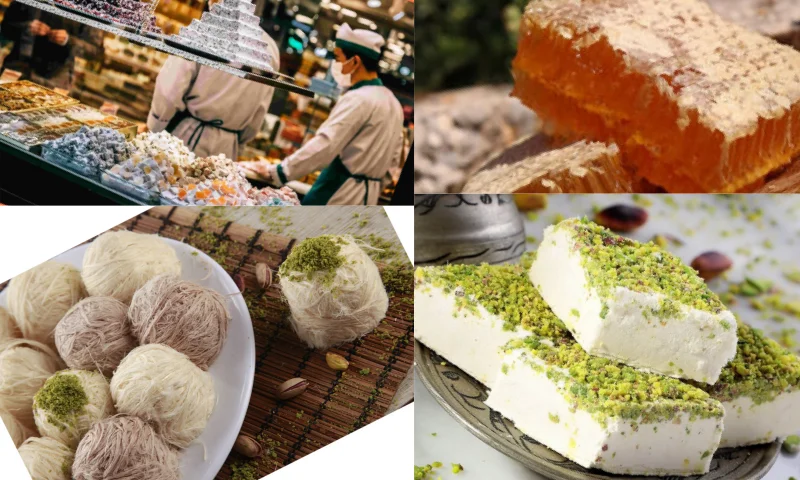
Turkish halva, or Türk helvası in Turkish, is one of the most beloved desserts in Turkish cuisine. It is generally made by cooking ingredients like sesame, semolina, or flour with sugar, honey, and oil. The origin of halva dates back to Ancient Greece. The word "halva," which was consumed in liquid form in ancient times, is of Arabic origin. Turkish halva is a dessert with high nutritional value. Turkish halva is as important for health as it is for its taste. The main ingredients of halva, sesame, semolina, or flour, are rich in vitamins, minerals, and fiber. Additionally, the sugar, honey, and oil components in halva provide energy to the body. If you want to buy the highest quality Turkish halva, the address for quality Turkish halva is: https://www.grandbazaarinturkey.com/product-category/turkish-halva/
Types of Turkish Halva
Furthermore, Turkish halva has some health benefits. For example, sesame halva, being rich in omega-3 and omega-6 fatty acids, can contribute to heart health. Additionally, the cereal components in halva are beneficial for the digestive system and have protective effects against colon cancer. However, considering the high sugar and fat content of Turkish halva, it is recommended to consume it in moderation. Consumers looking for lower-calorie alternatives can opt for sugar-free or fat-free varieties of halva. Today, there are varieties of Turkish halva specific to different regions in Turkey. For example, there are varieties like pistachio halva made with pistachios, walnuts, or almonds, and Cretan halva. There are also different types of Turkish halva such as semolina halva, sesame halva, and flour halva. The most common type of halva is tahini halva, which is made using tahini, sugar, and water. In addition to these, there are also halva varieties prepared with different ingredients for different flavors.